
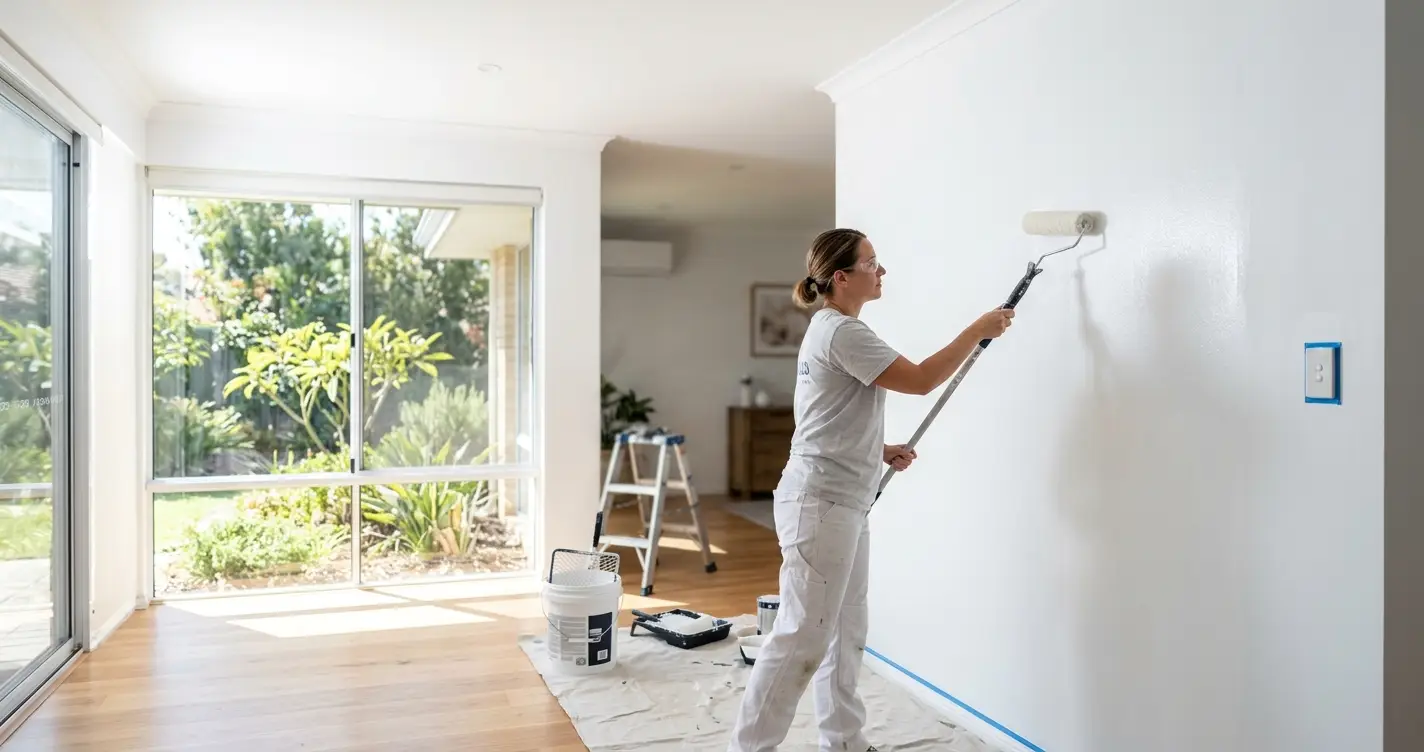
One of the most common questions homeowners ask before starting a painting project is how many coats of paint they actually need. The answer depends on several factors including the colour you are applying, the surface condition, the type of paint and whether you are painting over an existing colour or onto bare surfaces.
Getting this right matters. Too few coats can result in patchy, uneven coverage that shows the old colour underneath. Too many coats wastes time and money. Here is everything you need to know.
The Short Answer
In most situations, two coats of paint are recommended for interior and exterior painting projects. This applies to walls, ceilings, trims and most other surfaces. One coat is rarely sufficient for a quality finish, and three or more coats are only needed in specific circumstances.
When One Coat Is Enough
- You are applying the same colour over an existing surface in good condition
- You are using a high-quality paint with a built-in primer
- The surface is fresh plaster or new drywall that has already been primed
- You are applying a tinted primer as a base coat before a topcoat
Even in these cases, a second coat will almost always improve the durability and evenness of the finish. Most professional painters recommend two coats as the minimum for any project.
When Two Coats Are Standard
- Interior walls and ceilings in living areas, bedrooms and hallways
- Exterior walls on brick, render and weatherboard homes
- Trims, doors and skirting boards
- Feature walls in a similar or slightly different colour to the existing paint
- Repaints where the existing colour is in reasonable condition
When Three or More Coats Are Needed
Painting Over Dark Colours
If you are painting a light colour over a dark existing colour, two coats may not be enough. In this situation three coats, or two coats over a tinted primer, is often needed.
Painting Over Stains or Water Damage
Water stains, smoke damage or other discolouration can bleed through standard topcoats. A stain-blocking primer should be applied first, followed by two coats of topcoat.
Bright or Saturated Colours
Deep reds, bright yellows and highly saturated colours often require three coats. A tinted primer in a similar colour can reduce the number of topcoats needed.
New Plaster or Bare Surfaces
New plasterwork is porous and absorbs the first coat heavily. A sealer or primer coat should always be applied first, followed by two coats of topcoat.
Exterior Surfaces in Poor Condition
Weathered, chalky or damaged exterior surfaces may need three coats including a primer to properly seal and protect the surface.
Does Paint Quality Affect How Many Coats You Need?
Yes. Premium paints like Dulux Wash and Wear, Dulux Weathershield and Solver paints have higher pigment density and better hiding power than budget alternatives. A premium paint in two coats will consistently outperform a cheaper paint in three coats.
Does the Colour Affect How Many Coats You Need?
- White and light neutrals — good coverage in two coats
- Mid-tone colours — typically two coats over a primed surface
- Dark colours — two to three coats
- Bright saturated colours — often three coats for even coverage
- Reds and yellows — often three or more coats needed
How Long Should You Wait Between Coats?
Most water-based acrylic paints are ready for a second coat within four hours in normal conditions. In Perth’s warmer months paint dries faster. Always check the manufacturer’s recoat time on the tin. Applying a second coat too early can cause lifting, peeling or an uneven texture.
Professional Painting in Perth
Auzz Painting Service always applies the correct number of coats for every job. With over 20 years of experience and more than 140 five-star Google reviews, we are one of Perth’s most trusted painting contractors. Call 0474 157 273, email info@auzzpaintingservice.com.au or fill in our contact form for a free quote.
Frequently Asked Questions
Two coats is the standard recommendation for interior walls. One coat is rarely sufficient for even coverage. Three coats may be needed when painting a light colour over a dark existing colour or applying bright saturated colours.
A primer is recommended for new plaster, bare surfaces, surfaces with stains or water damage, and when painting a light colour over a very dark existing colour. On surfaces in good condition being repainted in a similar colour, a primer may not be necessary.
Most water-based acrylic paints are ready for a second coat within four hours in normal conditions. In Perth’s warmer months paint dries faster. Always check the manufacturer’s recoat time on the tin. Applying a second coat too early can cause lifting, peeling or an uneven texture.
Two coats is standard for exterior painting. In Perth’s climate with strong UV and heat, applying the correct number of coats is important for long-term durability. Surfaces in poor condition may need a primer coat before two topcoats.
Yes. We provide free no-obligation quotes for all painting projects throughout Perth. One of our team will visit your property and provide a clear itemised quote with no hidden charges. Call 0474 157 273 or fill in our contact form to book.