
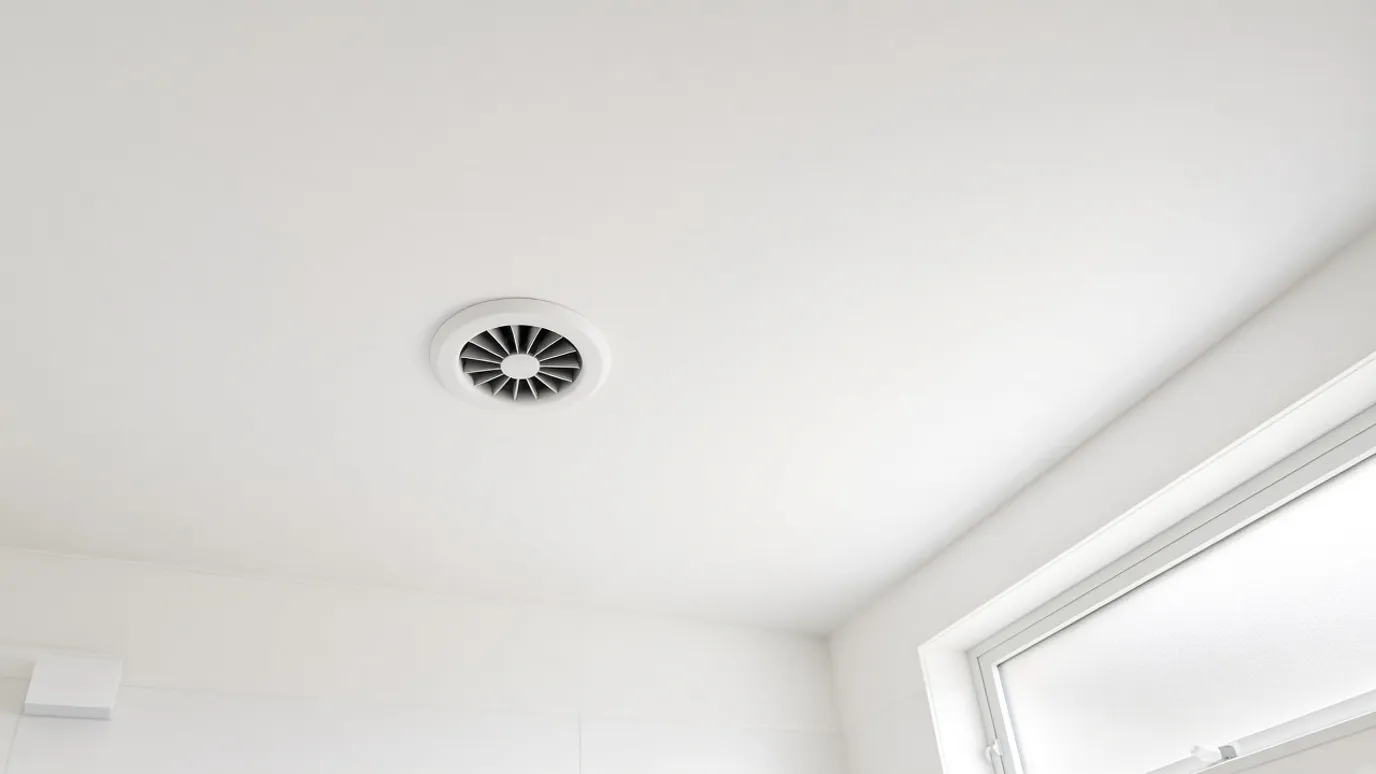
Spotted black or grey patches on the bathroom ceiling and wondering if a fresh coat will hide them? You’re not alone. Painting over mould is one of the most common questions Perth homeowners ask, and the honest answer is that paint on its own won’t solve it. Mould is a symptom of moisture, and unless the surface is treated and the cause is dealt with, it usually comes back. This guide answers the questions people ask most: can you just paint over mould, is mould-resistant paint enough for a bathroom, and can you paint over mould once it’s dead and treated?
Can You Just Paint Over Mould?
No. Painting straight over mould is a quick fix that rarely lasts.
Why it comes back
Mould grows where there’s moisture, warmth and something to feed on. If you paint over it, the spores are still there, now sealed under a fresh coat. If the moisture is still around, the mould keeps growing and often shows through again.
What it does to your paint
Mould and moisture trapped under a coating can cause stains to bleed through and the paint to bubble, flake or peel. You end up repainting the same spot, and the surface is in worse shape than before. If you’ve already seen this happen, our guide to peeling paint causes and fixes in Perth explains what goes wrong.
Why “it looks gone” isn’t the same as gone
Mould often spreads beyond the visible spots. A ceiling can look clean after a wipe while spores remain in the surface and along edges and corners, where moisture collects. That’s why a quick scrub followed by a coat of paint tends to fail.
Why Perth Bathrooms Get Mould
Bathrooms are the obvious spot, but Perth adds its own twists. Humid coastal suburbs hold moisture in the air, and in winter, cool surfaces such as ceilings and external walls attract condensation, especially when windows stay shut. Showers add steam on top. With poor airflow, moisture lingers on the surface long enough for mould to settle in.
Fix the cause first
Before any painting, find out where the moisture is coming from. A leaking pipe, a failed shower seal or a roof leak will keep feeding mould no matter how well the wall is painted. Those problems need the right trade, such as a plumber or roofer. Painters aren’t plumbers or roofers, so leak repairs and plumbing need the right trade. If a leak is behind the problem, it needs to be fixed first. Then the surface can be prepared and painted.
Improve ventilation
If the cause is everyday steam, ventilation is the long-term answer. Run the exhaust fan during showers and for a while afterwards, open a window or door when you can, and wipe down wet surfaces. In winter, wipe condensation off windows and tiles, and avoid drying washing in closed rooms. If the fan is weak or doesn’t vent properly, have it checked by a qualified tradesperson.
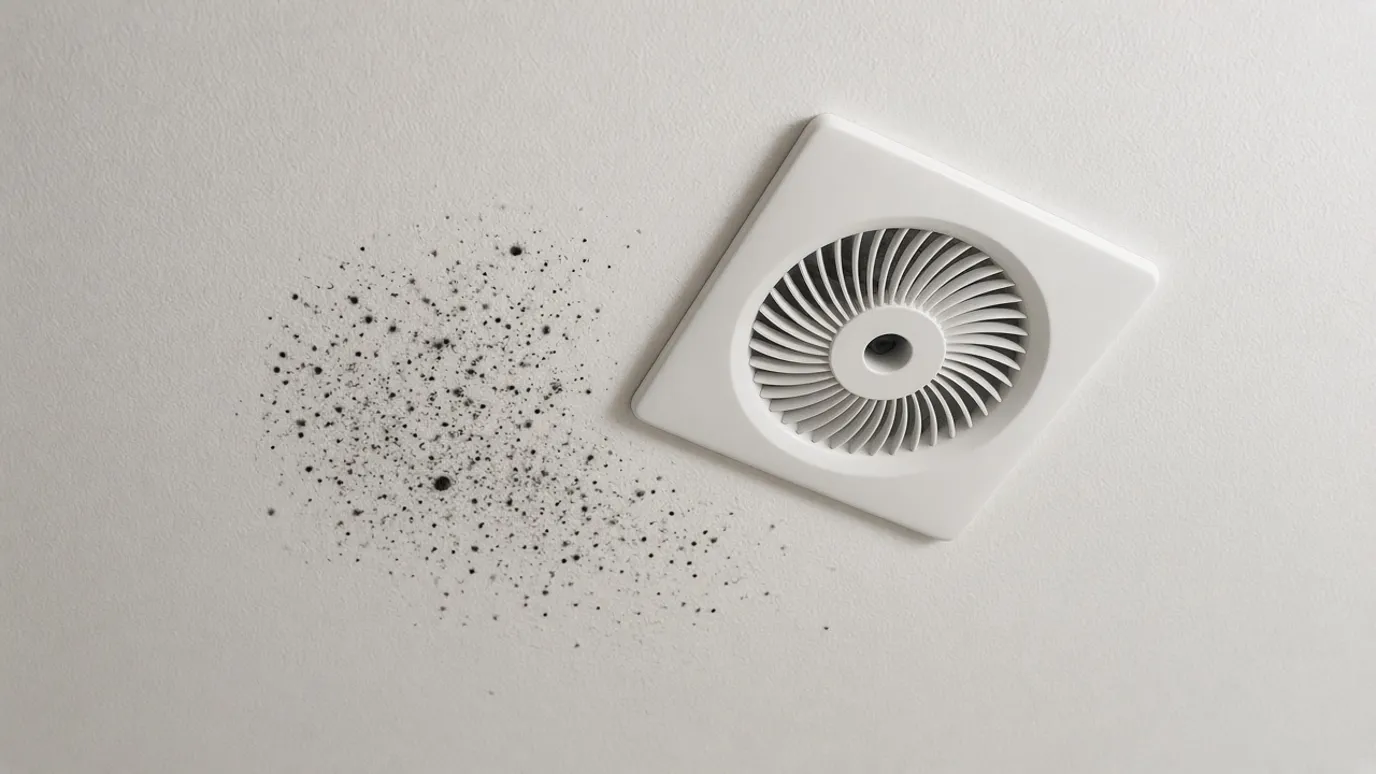
Is Mould-Resistant Paint Enough for a Bathroom?
It helps, but no, it isn’t enough on its own. Moisture- or mould-resistant paint makes the surface harder for mould to take hold, which is a useful extra layer of defence. It is not a cure for a wet wall or a bathroom with poor airflow.
Think of it as one part of a process: fix the cause, treat any existing mould, prepare the surface, then use the right paint. Skip a step and the paint is being asked to do a job it wasn’t designed for.
Where it works best
In a bathroom that’s well ventilated and free of leaks, mould-resistant paint is a sensible choice for ceilings and walls. In a room with an ongoing moisture problem, it may only delay the return of the mould.
The finish matters too. In wet areas, a more durable sheen is generally easier to wipe clean, although the best choice depends on the room and the look you want. Our paint finishes explained guide breaks down the options.
Can You Paint Over Dead Mould Once It’s Treated?
Yes, as long as the mould has been properly treated, the cause of the moisture has been fixed and the surface is completely dry. Painting over mould that has only been wiped or hidden is a different story, because stains and spores can still be there.
1. Treat the mould to kill the spores
Mould needs treating, not just wiping away. As part of our paint prep, we treat mould to kill the spores before any paint goes on.
2. Let the surface dry
Paint over a damp surface and you trap moisture underneath. Allow the area to dry fully before painting, and leave enough time between coats. Drying times change with weather and airflow, and our guide on how long paint takes to dry explains why.
3. Prime stained areas
Even when the mould is dead, staining can remain and show through your topcoat. A suitable primer helps block stains and gives the paint something to grip. You can read more in what paint primer is and why it matters.
4. Apply moisture- or mould-resistant paint
Once the surface is prepared, moisture- or mould-resistant paint goes on. In a bathroom, this is the right choice for ceilings and walls, as part of the full process above rather than a replacement for it.
5. Keep the room ventilated afterwards
Fresh paint needs time before it faces steam. Keep the room ventilated and go easy on long hot showers until the paint has dried properly.
When to Call a Professional
A few small spots on a ceiling are one thing. Large patches, mould that keeps returning, or mould in several rooms point to a bigger moisture problem. Also watch for signs the problem is more than surface mould, such as bubbling paint, damp or soft plaster, a musty smell that lingers, or stains that spread after wet weather. These suggest moisture is getting in somewhere. For large or recurring mould, get a qualified professional to assess it. If you’re concerned about your health, speak to a health professional.
Once the cause has been dealt with, our interior painters can prepare and repaint the area.
Book Your Bathroom Repaint
Ready to repaint a bathroom ceiling or walls once the moisture problem is sorted? Call 0474 157 273 or fill in our contact form to book your free quote. We’re licensed and insured, with over 20 years’ experience, and we email a written quote within 48 hours.
Frequently Asked Questions
No. Painting over mould seals the spores under the paint, and if moisture is still present it will usually grow back and can cause staining or peeling. The mould needs treating and the cause fixed first.
No. It makes it harder for mould to grow on the surface, but it can’t fix a leak, condensation or poor ventilation. It works best alongside proper surface prep and good airflow.
The cause of the moisture should be fixed, the treated area should be fully dry, and any stains should be primed before the topcoat goes on. If you’re unsure, ask a professional to check.
Usually because the moisture is still there, or the mould was covered rather than treated. Fixing leaks, improving ventilation and using the right prep and paint all reduce the chance of it returning.
Yes. As part of our paint prep, we treat mould to kill the spores before painting, then apply a moisture- or mould-resistant paint. Any leak or underlying moisture problem needs to be fixed by the right trade first, because painters aren’t plumbers or roofers.